learn more about these amazing creatures


Cape Lookout Studies Program
Focused on marine biological research, whale and dolphin conservation, and education for Cape Lookout and the North Carolina coast.
The Cape Lookout Studies Program (CLSP) supports area environmental education, research and conservation programs.
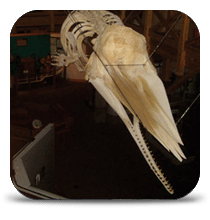
Our main programs include the Bottlenose Dolphin Photo-ID project, Monofilament recycling, Marine Mammal Stranding Response, and Bonehenge (Cetacean Studies) which focuses on ongoing whale skeleton research and rearticulation projects.
The dedicated CLSP team is always looking for opportunities to learn more about the coastal environment, educate the public, and take an active roll in conservation efforts for the Atlantic Coast. This is why we are now planning to take our research and work to the next level!
An exciting new project is on the horizon: The Bonehenge Whale Center in Beaufort, NC. Bonehenge will be the facility from which we base our research and prepare and display our exhibits. Here, we will also have the opportunity to further expand our efforts in marine conservation, educational programming, outreach, publications, and stranded specimen collection/maintenance focusing on NC cetaceans (whales, dolphins, and porpoises), past and present.
Click here to learn about the Cape Lookout Studies Program and the people who make it possible.


 CLSP is a division of the North Carolina Maritime Museum in Beaufort, NC. through the North Carolina Department of Cultural Resources.
Humane Society of the Delta Sildenafil in Veterinary Medicine